
Allergy Prevention
Allergy Prevention Services Offered in Riverview, FL
Allergy prevention programs help patients identify allergy triggers and take practical steps to prevent allergic reactions. Rajivi Rucker, MD, MPH, and Craig Kalik, MD, at Precision Allergy Asthma and Immunology Care in Riverview, Florida, provide specialist testing and treatment for a wide range of allergic conditions. With expert guidance, you can reduce exposure to allergens and manage symptoms more effectively. Call Precision Allergy Asthma and Immunology Care or schedule an appointment online to learn more about allergy prevention.
Allergy Prevention FAQ's
Is it possible to prevent allergies?
Allergies develop when your immune system mistakenly identifies a normally harmless substance as a threat. This triggers a reaction that can cause sneezing, itching, congestion, skin irritation, or other symptoms.
Genetics and environmental factors influence whether you develop allergies, so preventing them entirely isn't always possible. However, identifying your triggers and limiting exposure can significantly reduce the frequency and severity of allergic reactions.
Allergy prevention focuses on understanding your sensitivities, making appropriate lifestyle changes, and using preventive treatments when necessary.
What are the most common allergy triggers?
Common triggers include:
- Pollen from trees, grasses, and weeds
- Dust mites in bedding, carpets, and upholstery
- Animal dander, saliva, and other proteins
- Mold spores in damp environments
- Foods like peanuts, shellfish, milk, and eggs
- Insect stings
- Certain medications
Some allergens cause symptoms throughout the year, while others produce seasonal reactions.
How can I reduce allergens in my home?
Simple environmental changes can help prevent allergic reactions, particularly if you're sensitive to airborne allergens:
Dust mites
Use allergen-proof mattress and pillow covers, wash bedding regularly in hot water, and keep indoor humidity below 50%.
Pollen
Monitor local pollen counts, keep windows closed during high-pollen periods, and shower after spending time outdoors.
Pet allergens
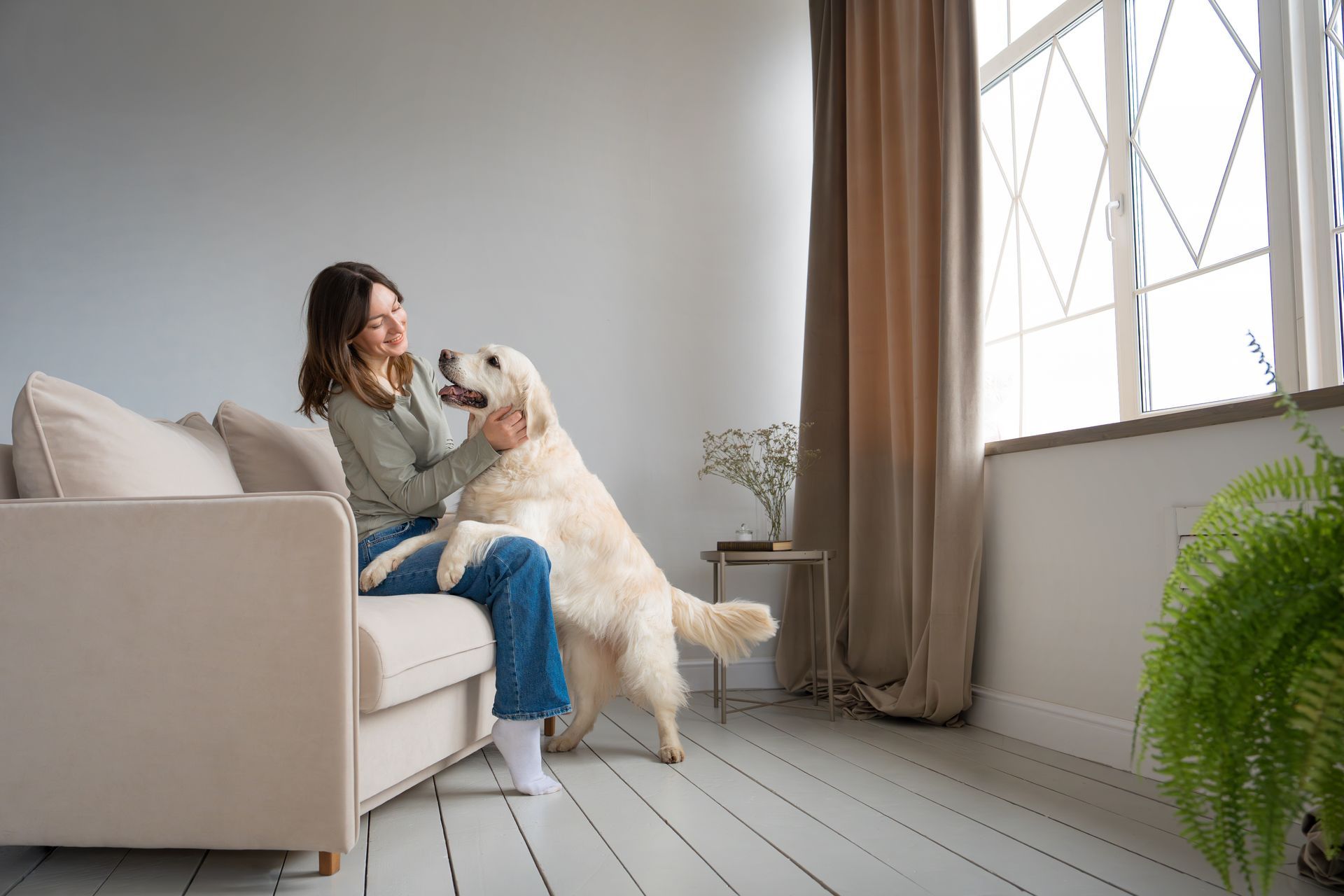
Keep pets out of bedrooms, clean regularly, and use a vacuum with a HEPA filter.
Mold
Repair leaks promptly, improve ventilation, and control moisture in bathrooms, kitchens, and other damp areas.
These measures significantly reduce allergen exposure, although completely eliminating environmental allergens is difficult.
Can allergy treatments prevent symptoms?
Preventive treatment can reduce allergic reactions, especially when avoiding triggers isn't practical.
For environmental allergies, medications like antihistamines or corticosteroid nasal sprays are helpful. Some medications work best when used regularly or started before your usual allergy season.
Allergen immunotherapy offers another approach. Allergy shots or certain under-the-tongue treatments expose your immune system to controlled amounts of specific allergens, gradually reducing sensitivity.
Immunotherapy may provide lasting relief from environmental allergies and can also help certain patients with allergic asthma.
How can I prevent serious allergic reactions?
If you have a diagnosed food, medication, or insect-sting allergy, understanding how to avoid your specific trigger is essential.
You may also need to carry an epinephrine auto-injector. Epinephrine is the first-line treatment for anaphylaxis, a potentially life-threatening allergic reaction.
Call Precision Allergy Asthma and Immunology Care to learn more about allergy prevention or schedule an appointment online today.