
Patch Testing
Patch Testing Services Offered in Riverview, FL
Patch testing is an effective way to identify substances that trigger allergic skin reactions. Rajivi Rucker, MD, MPH, Craig Kalik, MD, and the team at Precision Allergy Asthma and Immunology Care in Riverview, Florida, provide expert evaluation for patients with persistent or recurring skin irritation. The experienced providers use patch testing to determine whether contact allergies are responsible for your symptoms. Call Precision Allergy Asthma and Immunology Care or book an appointment online today to learn more about patch testing.
Patch Testing FAQ's
What is patch testing?
Patch testing is a diagnostic procedure used to identify allergic contact dermatitis, a skin reaction that develops after exposure to certain substances.
Allergic contact dermatitis occurs when your immune system reacts to an allergen that comes into contact with your skin. Symptoms may develop hours or days after exposure and can include:
- Itching
- Redness
- Swelling
- Dryness
- Blistering
Patch testing helps identify the specific allergens responsible, making it easier to avoid them and prevent recurring symptoms.
When is patch testing required?
Your provider may recommend patch testing if you experience persistent eczema or recurring rashes without an obvious cause. Common substances that can trigger allergic contact dermatitis include:
- Nickel and other metals
- Fragrances in cosmetics and personal care products
- Preservatives in soaps, shampoos, and lotions
- Ingredients in hair dyes
- Rubber chemicals in gloves and footwear
- Certain ingredients in topical medications
These allergens can be present in everyday products, so identifying the cause of your symptoms isn't always straightforward.
Patch testing may also be useful if your skin condition doesn't improve with standard treatments or if you suspect that products you use at work or home are causing reactions.
How does patch testing work?
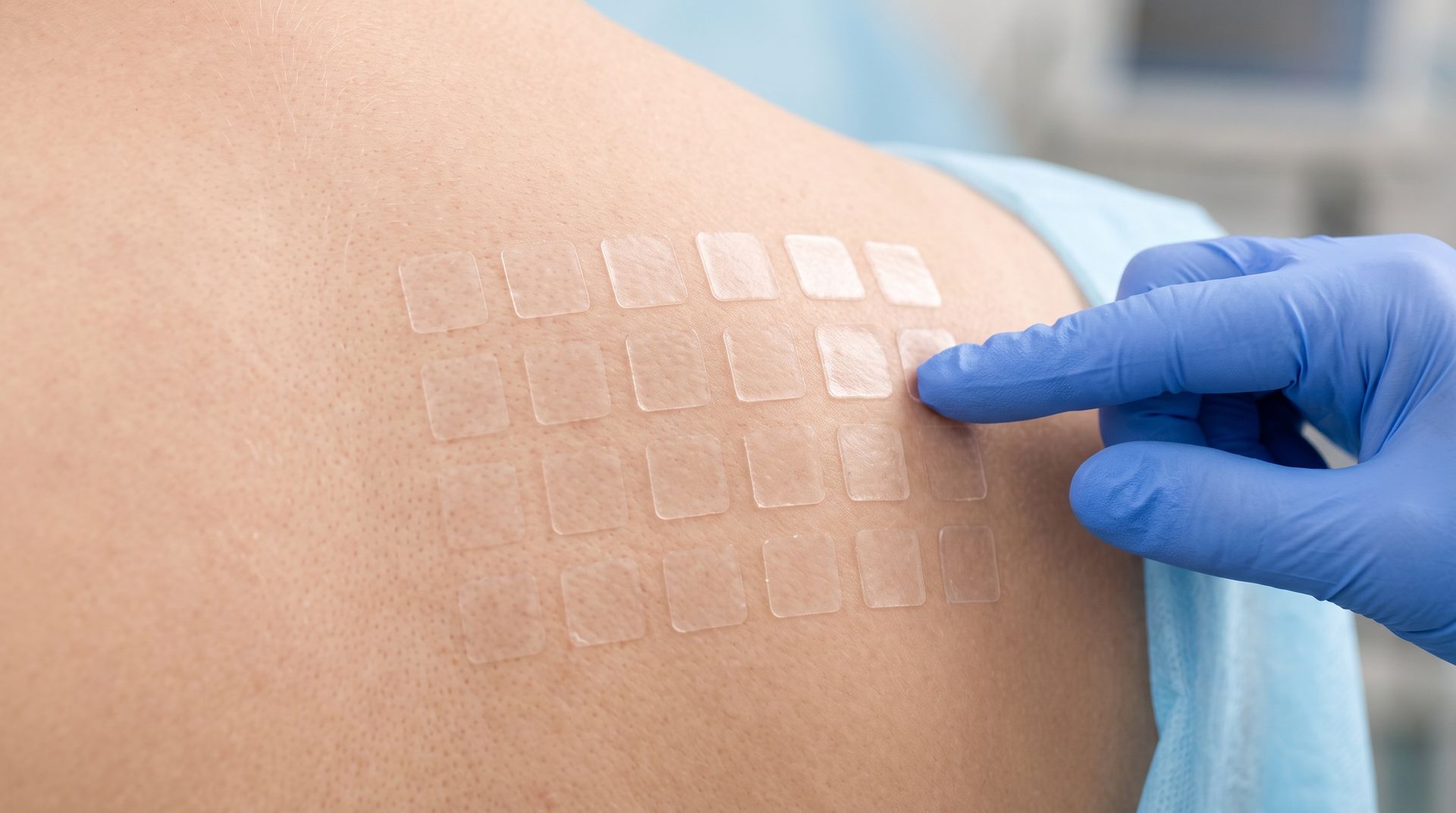
Your provider applies small amounts of suspected allergens to adhesive patches, usually placed on your upper back. The patches generally remain in place for approximately 48 hours. During this time, you'll need to keep the area dry and avoid activities that cause excessive sweating or loosen the patches.
Your provider then removes the patches and checks your skin for reactions. You'll usually return to Precision Allergy Asthma and Immunology Care for another assessment several days after the patches were first applied because reactions can take time to develop.
A positive reaction may cause redness, swelling, or small bumps at the test site. Your provider interprets these findings alongside your medical history and exposure to potential allergens.
What happens if a patch test is positive?
A positive result indicates that your immune system has developed sensitivity to a particular substance. However, your provider also needs to determine whether exposure to that allergen explains your current skin symptoms.
If an allergen is causing your condition, avoiding it is the most effective long-term strategy. Your provider can help you identify ingredients and products that contain the substance and recommend appropriate skin treatments.
Call Precision Allergy Asthma and Immunology Care to learn about patch testing or schedule a consultation online today.